USDT vs USDC: The Two Leading Stablecoins Head-to-Head

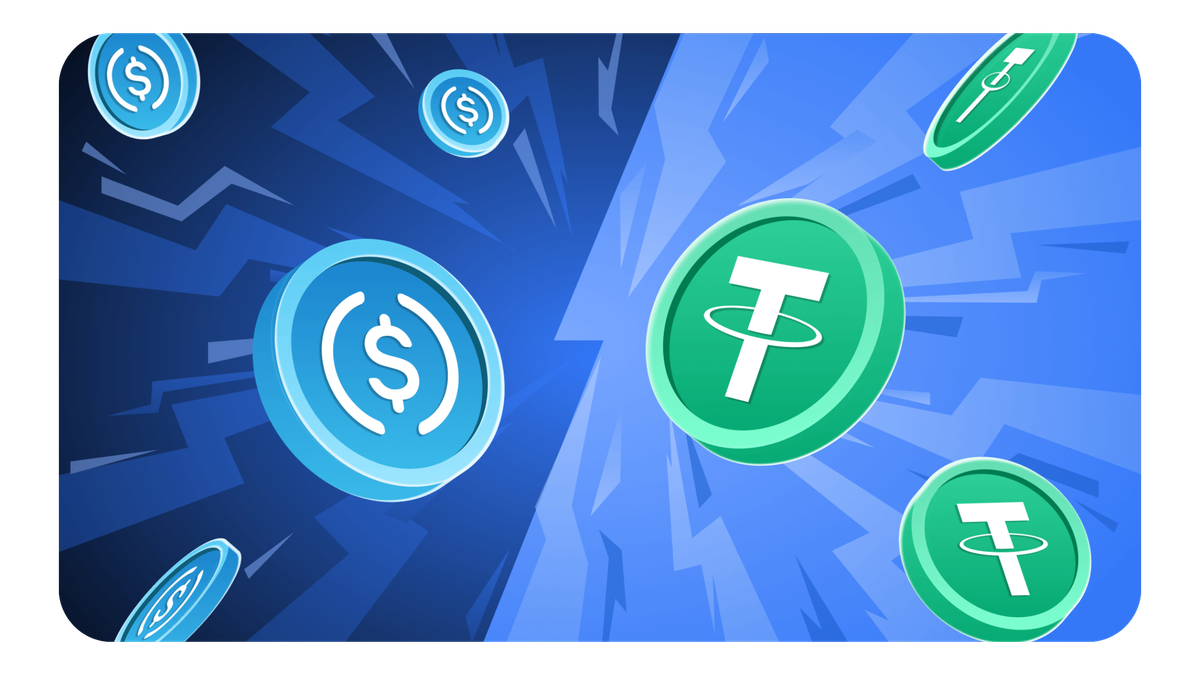
In the world of cryptocurrencies, stablecoins have become key tools for those seeking stability against volatility. Two names dominate the space: USDT (Tether) and USDC (USD Coin). Although both are pegged to the U.S. dollar (1:1), their differences in adoption, transparency, and regulation are significant.
1. Market Size and Liquidity
- USDT (Tether) remains the largest stablecoin, with a market cap of over $155–158 billion, controlling more than 60% of the global stablecoin market and with over 400 million users.
- USDC (USD Coin), on the other hand, has a market cap of around $60 billion, making it the second-largest stablecoin in circulation.
The liquidity gap is clear: USDT dominates in transaction volume and availability.
2. Transparency and Regulation
- USDC, issued by Circle (in partnership with Coinbase), stands out for its focus on transparency, backed by regular audits and compliance with U.S. regulations.
- USDT, meanwhile, has faced criticism for the lack of independent audits and changes in how its reserves are managed. Although it publishes quarterly reports, the absence of full audits continues to raise skepticism.
3. Common Use Cases: Retail vs Institutional
- USDT is widely used on trading platforms and in environments where liquidity and immediate availability are paramount.
- USDC is positioning itself as the preferred choice among institutional players thanks to its regulatory robustness and transparency.
4. Recent Trends and Context
- Circle, the company behind USDC, had a successful public listing, reflecting growing institutional interest in this stablecoin.
- The U.S. regulatory framework is becoming more favorable for stablecoins, with new legislation like the Genius Act setting clear requirements for asset-backed reserves.
Quick Comparison

- Choose USDT if you need liquidity, global availability, or operate on trading platforms without restrictions.
- Opt for USDC if you value transparency, operate in regulated environments, or need a strong asset for institutional payments and compliance.
Both stablecoins play a key role in the crypto ecosystem, and your choice should align with your risk profile, regulatory needs, and specific use case.
Check us out on our socials below to keep updated!
Instagram | X | Telegram | LinkedIn | Website
This article is for informational and educational purposes only and does not constitute financial, legal, or professional advice, nor does it imply any recommendation. It may contain links to third party websites outside Renegade’s control, and their inclusion does not imply endorsement. The views expressed are those of the author and do not necessarily reflect those of Renegade. Digital asset prices are volatile; you are solely responsible for your decisions, and Renegade assumes no liability for any losses.